What Belonging Really Looks Like: Two Stories About Autism and Inclusion
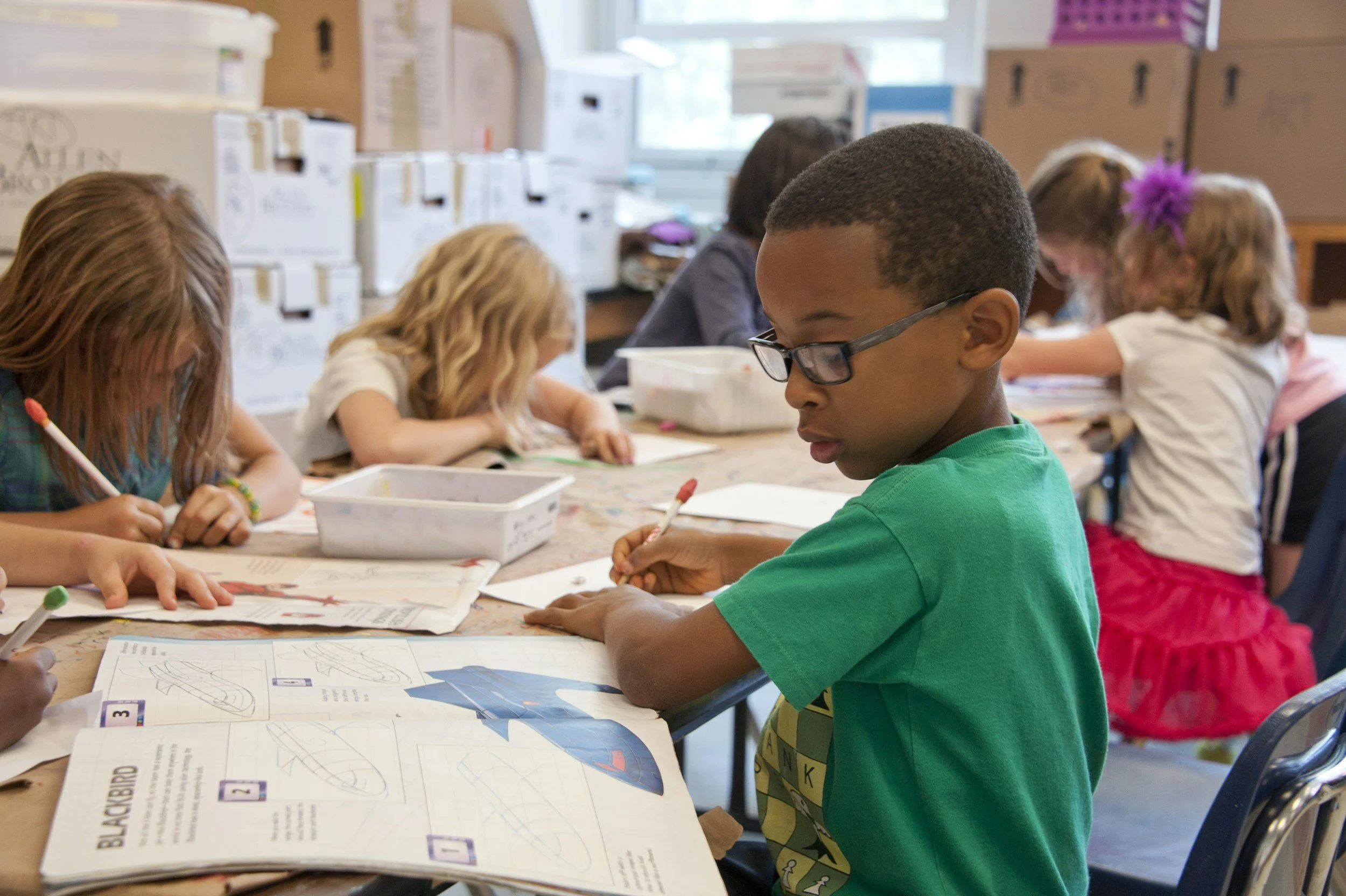
Every child deserves more than a seat in the classroom. They deserve to feel that they belong.
We talk a lot about inclusion in education. We discuss accommodations, individualized learning plans, classroom support, and making sure children with disabilities have access to the same opportunities as their peers.
But what does inclusion actually look like in an ordinary school day?
Sometimes it looks like a classmate understanding why another child needs to rock back and forth during a lesson. Sometimes it looks like a teacher creating a storybook that helps a student navigate an overwhelming environment. And sometimes the most meaningful changes begin when adults stop asking how a child can fit into a classroom and start asking how the classroom can better support that child.
A First Grader Teaches a Lesson in Acceptance
At an elementary school in Bayside, New York, a first-grade student was rocking and making vocal sounds during a classroom lesson. Another student became frustrated. Before the teacher needed to intervene, a classmate offered an explanation: some people move or make sounds because those actions help them feel safe and ready to learn.
It was a small exchange, yet it represented something much larger.
The school had developed an initiative called Embrace the Amazing, encouraging students to understand neurological differences and recognize that people learn, communicate, and participate in different ways. The initiative grew from an autistic student's family asking the school to create a deeper culture of acceptance. That moment between classmates demonstrated what happens when inclusion becomes part of everyday school culture.
The children were learning to understand one another.
And understanding is one of the foundations of belonging.
A Teacher in Seoul Creates a Different Kind of Learning Tool
Across the world, in Seoul, South Korea, a teacher faced a different challenge.
A 13-year-old autistic student named Ji-woo was experiencing significant distress during transitions between classrooms and other school spaces. Rather than relying on repeated verbal instructions, her teacher, Jang Se-ra, created a personalized picture book.
The story featured Ji-woo herself as the main character. Through familiar illustrations and situations, the book helped her explore experiences such as navigating the cafeteria and using an elevator. The story was revisited at school and at home.
Over time, Ji-woo became more comfortable with some of the situations that had previously caused distress. By the end of elementary school, she was able to participate in shared mealtimes with classmates. What makes this story meaningful is the teacher's willingness to adapt the way information was presented. She recognized that her student might need a different way to prepare for unfamiliar or overwhelming experiences. And she created one.
What These Stories Teach Us
These stories come from different countries, classrooms, and educational cultures, yet they share something important.
Children benefit when the people surrounding them become curious about their individual needs.
Inclusion can look like:
A classmate who understands sensory differences.
A teacher who recognizes that visual information may be more accessible than spoken directions.
A classroom where children are encouraged to communicate in different ways.
A support professional who helps a student participate without unnecessarily separating them from their peers.
A school community that values relationships, dignity, and individual strengths.
True inclusion is an ongoing practice.
It requires listening, flexibility, collaboration, and the willingness to reconsider familiar expectations.
How Looking Glass Children's Services Supports Inclusion
At Looking Glass Children's Services, we recognize that every child arrives with their own strengths, needs, and possibilities.
Our Behavioral Intervention Implementation (BII) therapists provide individualized support in school settings, working alongside teachers and educational teams to help students access learning, develop skills, and work toward their IEP goals.
That support may involve helping a student navigate classroom transitions, communicate their needs, participate in group activities, or develop greater independence.
The intention is to support each child's meaningful participation in their educational environment.
Because every child deserves the opportunity to learn, connect, and experience belonging.
And sometimes the most important lesson happening in a classroom is the one everyone learns about understanding one another.
To learn more about individualized behavioral intervention and family support in the Los Angeles area, visit lookingglasschildren.com.
References and Further Reading
Organization for Autism Research — Embrace the Amazing: Building a Culture of Belonging
The Korea Times — How a Picture Book Helped a Student Find Her Way